The best CRM for hotels depends on what you need it to do. If you run a small hotel, B&B or event venue and you lose bookings because nobody calls back fast enough, a general marketing CRM like GoHighLevel ($97/month) covers that well. If you run a hotel group and want to market to guests based on their stay history, you need a hospitality CRM that reads your property management system, and GoHighLevel can’t do that out of the box.
Most “best hotel CRM” lists mix those two jobs together. This page splits them, names the hospitality CRM software built for the second job, and is plain about where GoHighLevel stops.
What a hotel CRM system does in the hotel industry
CRM, or customer relationship management, is the system that tracks your guest relationships over time: the first inquiry, the booking, the stay, the review, and the repeat visit two years later. In the hospitality industry that record can live in three places, and which one you need depends on the size of the property.
The property management system (PMS) runs operations: reservations, the room grid, check-in and check-out, housekeeping, folio billing. Most PMSs keep a basic guest profile as a side effect. Mews, for example, builds a single guest profile from booking through check-out and syncs preferences, dietary needs and loyalty data.
A hospitality CRM sits on top of the PMS and turns that booking data into marketing. Revinate, Cloudbeds’ Guest Marketing CRM and similar tools segment guests by stay history, spend and preferences, then personalize guest emails, offers and marketing campaigns to win direct bookings back from the OTAs. Some sell the data layer separately as a customer data platform.
A general marketing CRM such as GoHighLevel, HubSpot or Salesforce knows nothing about rooms or stays unless you connect it. What it does well is the sales conversation: catching inquiries, following up, booking tours, and running email and SMS campaigns.
A hotelier at an independent property usually needs the first and third. A hotel group with a revenue and marketing team usually needs the first and second. Every hospitality business needs a PMS; the CRM platform is the part you choose based on size.
Key features to look for in a hospitality CRM
Choosing the right CRM gets easier once you list the features that change revenue at your property, then ignore the rest of the demo.
For a small or boutique hotel, the list is short. You want fast first response on every channel (phone, web form, email, Instagram and Facebook messages), a pipeline for group and event inquiries, automated follow-up so a proposal doesn’t sit unanswered, online booking for tours and tastings, and post-stay review requests. Guest satisfaction shows up in reviews, and reviews drive local search, so that last one matters more than it sounds for the guest experience you’re known for.
For a hotel group or large hotel, the list moves toward guest data. You want a guest profile that fills itself from the PMS and booking engine with booking history, room type, spend, guest preferences and loyalty status, so every one of your guest interactions starts with context. You want segmentation across properties, marketing automation that triggers on stay events (pre-arrival upsell, post-stay offer, anniversary of last visit), and reporting that ties campaigns to direct booking revenue. Salesforce, Revinate and the PMS vendors’ own CRM modules compete here, alongside CRM tools designed specifically for the hospitality industry.
Two questions sort vendors fast. Does it read your PMS natively, or does someone have to build and maintain the integration? And does pricing scale with rooms, properties, seats or contacts? The answers change the total cost more than any headline price.
Where GoHighLevel fits for small hotels and boutique hotel properties
GoHighLevel earns its place between “someone is interested” and “someone booked,” which is where a short-staffed independent property loses the most money without noticing.
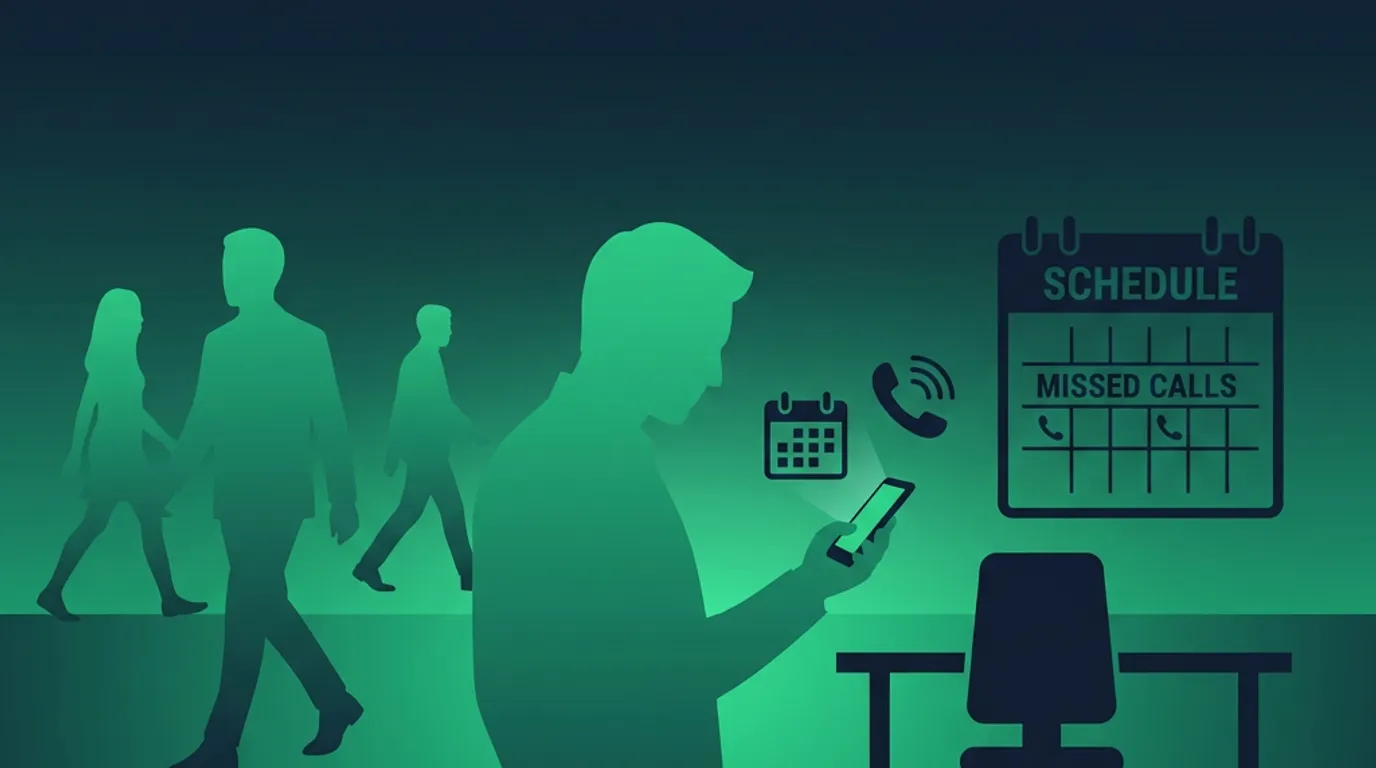
Missed Call Text Back is the clearest example. A front desk handling check-out, a full lobby and the phone at the same time will miss calls. When a traveler or a couple asking about wedding dates hits voicemail, many just call the next property on the list. GoHighLevel sends that caller a text within seconds, so the conversation stays open until someone can pick it up. That first reply sets the tone for the rest of the guest journey.
The pipeline handles the follow-up a one-person sales team rarely has time for. A workflow can answer a wedding RFP submitted at 10pm, follow up the next morning if the couple hasn’t booked a tour, and remind them the day before the tour. Booking calendars let planners pick a slot without phone tag. Because CRM and email marketing sit in the same system, the inquiry, the proposal email, the tour reminder and the post-stay review request all hang off one contact record, which is the main reason to automate this in one CRM solution instead of three.
Conversation AI and Voice AI can answer after-hours questions about dates, group size and budget before a person takes over in the morning. Both are available on every plan but billed per use, unless the property is on an AI Employee plan at $50 or $97 per sub-account per month. WhatsApp, useful for international guests, is a $10/month add-on plus Meta’s message fees.
Reputation management closes the loop. Review requests sent right after checkout, while the stay is fresh, build the Google rating that decides who shows up for “boutique hotel [city]” searches.
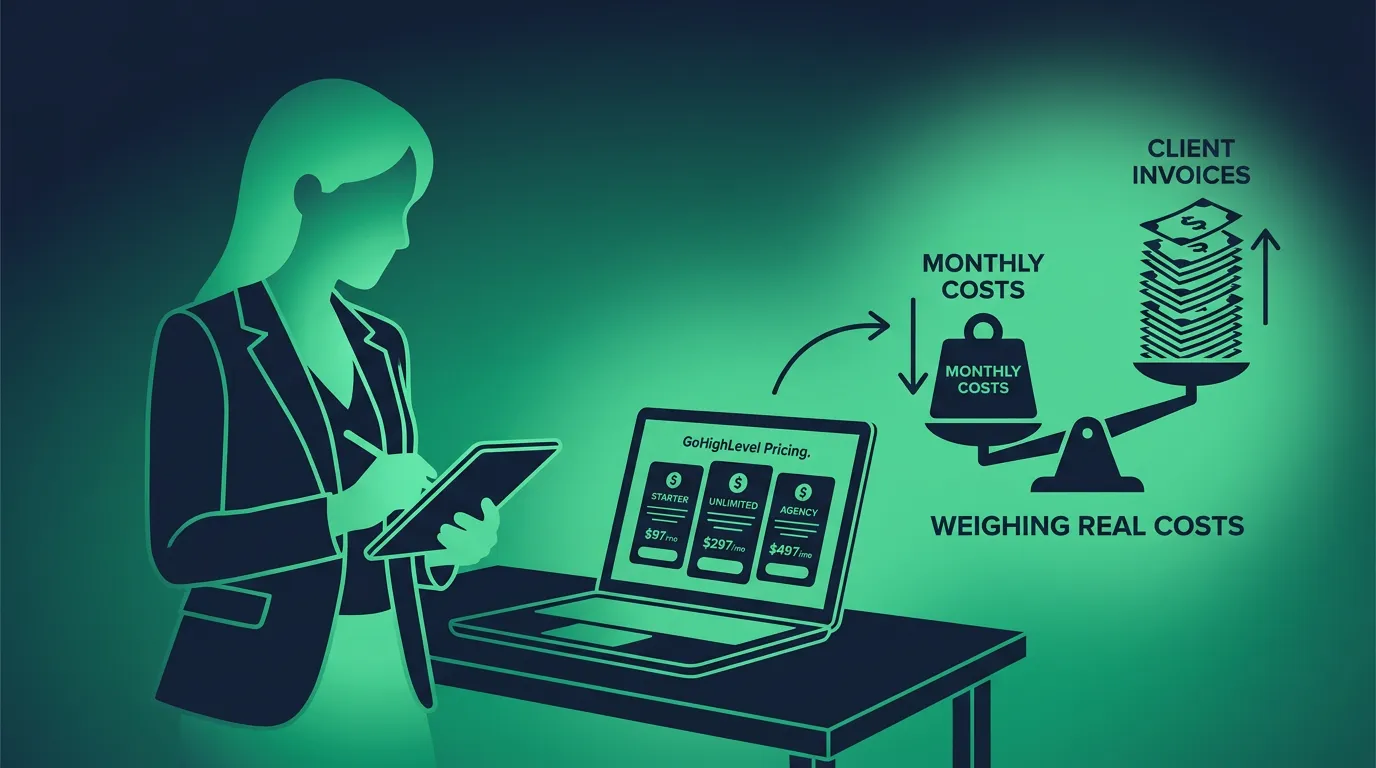
For a management company running several independent properties, snapshots let you copy a working inquiry pipeline into a new property’s account instead of rebuilding it. Starter ($97/month) covers up to three sub-accounts, so up to three properties; Unlimited ($297/month) removes the cap. That multi-location rollout is the same problem covered on the CRM for startups page for brands growing into new cities.
Where GoHighLevel stops
Once a guest books, the work moves to operations, and a marketing CRM has nothing to offer there. GoHighLevel has no reservations grid, no room status board, no housekeeping assignments and no folio. It has no booking engine for your website, no channel manager to keep rates in sync across Booking.com, Expedia and direct, and no revenue management to move prices with occupancy.
Guest profiles stay thin as a result. HighLevel’s native integrations cover tools like Stripe, Google, Facebook, Instagram, Shopify and Zoom, with Zapier and Make for anything else, and none of that includes a PMS. So unless you pay someone to build and maintain a connection to your PMS, a contact holds a name, email, phone number, form answers and whatever staff type in. It won’t show that a guest stayed four times, always books a king room and spent $600 at the restaurant last visit. If that guest information is what you want to market on, you’re shopping for a hospitality CRM, and custom fields in GoHighLevel are a poor workaround.
Most independent properties that use GoHighLevel end up with two systems: GoHighLevel for the conversation before a booking, and a PMS for everything from confirmed reservation to checkout.
Best hotel CRM software compared, with pricing
These are the hotel CRM solutions worth comparing, with pricing as published on each vendor’s site in October 2026.
| Option | What it is | Published pricing | Best fit |
|---|---|---|---|
| GoHighLevel | General marketing CRM with SMS, email, calendars, reviews and automation | $97/mo Starter (3 sub-accounts), $297/mo Unlimited; usage billed extra | Small hotels, B&Bs, wedding and event venues |
| HubSpot | General CRM with free tier | Free CRM (up to 2 users); Starter $20/seat/mo ($15 billed annually) | Hotel sales teams handling corporate and group accounts |
| Salesforce Sales Cloud | Enterprise CRM, heavily customizable | Starter Suite $25/user/mo; Pro Suite $100; Core, Advanced and Max $195 to $550; all billed annually except Starter | Hotel groups with IT or a Salesforce partner |
| Cloudbeds | PMS, booking engine and channel manager; Guest Marketing CRM sold as an add-on | Quote only (plans: Flex, One, Experience, Enterprise) | Independent hotels wanting PMS and guest marketing from one vendor |
| Mews | PMS with built-in guest profiles, messaging and guest intelligence | Quote only, priced per room (Core, Pro, Enterprise) | Independent and multi-property hotels replacing a legacy PMS |
| Revinate | Hospitality CRM and guest data platform: Core, Marketing, Chat, Feedback | Quote only, via demo | Hotel groups focused on direct bookings and guest data |
The general CRMs publish prices because they sell the same product to every industry. The hospitality CRMs quote per property or per room because the price depends on how many rooms and which PMS they connect to. Get a written quote that includes onboarding and the PMS integration before comparing either against GoHighLevel’s flat rate.
Choosing the right CRM for your hotel business
Start with inquiry volume. Count a month of phone calls, web forms, emails and OTA messages asking about booking direct. If the number is small and mostly repeat guests, a dedicated CRM is solving a problem you don’t have yet. If it’s steady and comes from paid search, a weddings page or group sales, it pays to automate the response layer first.
Next, split the work on paper into what happens before a reservation is confirmed (respond, qualify, book a tour, send a proposal, follow up) and what happens after (check-in, housekeeping, billing, checkout, post-stay marketing). Price GoHighLevel or HubSpot against the first list and a PMS or hospitality CRM against the second. Comparing an all-in-one hospitality suite’s quote with GoHighLevel’s $97 tier compares two different products.
Then test your own response speed the way a guest would. Call your reservations line during a checkout rush and again after 9pm, and send a wedding inquiry through your own website. If the call goes to voicemail and the form gets a reply the next afternoon, fix that before you buy anything for guest data. A large front desk with heavy phone volume runs into the same coverage problem described on the CRM for call centers page.
Last, think about how close your property is to a typical local service business. A small hotel or venue that lives on local search, phone calls and reviews has more in common with the businesses on the CRM for service businesses page than with a 300-room chain property. Guest messaging in hospitality also carries far less regulatory review than the messaging covered on the CRM for banking page, so a hotel can set up automation quickly.
Next steps
If GoHighLevel looks right for inquiry response, GoHighLevel’s pricing tiers explain which plan fits one property versus a small group, and the full GoHighLevel review covers the platform beyond hospitality. The 14-day trial requires a card on file and bills at the plan rate when it ends unless you cancel, so build one real inquiry pipeline and push a week of calls and forms through it before then. For a wider comparison across industries, see our best CRM software roundup.